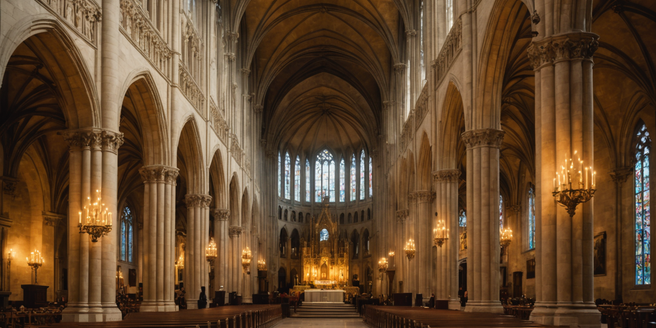
Historical Context of Psalms in Worship
The Book of Psalms, an anthology of lyrical compositions, has played a significant role in religious worship for centuries. Originally, these texts were set to music in the Temple of Jerusalem, serving both liturgical and instructional purposes. As Christianity emerged, the Psalms were incorporated into early church practices, forming a bridge between Jewish traditions and Christian liturgy. They provided a foundation for ancient hymns and chants, setting a precedent for the role of music in worship. Understanding this history allows modern worshippers to appreciate the depth and spiritual heritage embodied in the Psalms. From the Gregorian chants of the medieval period to the hymnody of the Reformation, the Psalms have been a continuous thread in the tapestry of worship, reminding us of our shared spiritual ancestry.
The Role of Psalms in Contemporary Services
In contemporary worship services, Psalms play a versatile role, seamlessly integrating with various worship elements. They often serve as a scriptural anchor, their poetry enriching the worship experience with emotional and theological depth. Pastors and worship leaders use Psalms to inspire sermons, prayers, and musical selections, grounding the service in scripture. Contemporary Christian music frequently adapts Psalmic themes, translating ancient verses into modern melodies that resonate with today’s congregations. This practice not only maintains a connection to historical traditions but also breathes new life into worship, making the timeless messages of the Psalms relevant in today’s context. As congregants sing or hear these ancient words, they find a sense of continuity and connection with the broader historical church community.
Interpreting Psalms for Today’s Congregation
Interpreting Psalms for a modern audience requires thoughtful engagement with the text. Worship leaders and pastors strive to highlight the universal themes present in these ancient hymns, such as praise, lament, and thanksgiving. By acknowledging the cultural and historical background of the Psalms, they are able to draw parallels to contemporary issues, demonstrating their relevance. Employing modern language and metaphors can also aid comprehension, allowing congregations to personally connect with the messages. Moreover, the emotional honesty of the Psalms offers an opportunity for authentic worship experiences, encouraging congregants to reflect on their own spiritual journeys. Through careful interpretation, the Psalms can speak to the heart of modern worshippers, fostering a deeper understanding of God’s character and presence.
Incorporating Psalms into Various Worship Styles
Incorporating Psalms into diverse worship styles requires creativity and sensitivity to the unique characteristics of each tradition. In traditional liturgical services, Psalms may be chanted or read responsively, preserving their ancient form. Contemporary services, on the other hand, might feature musical arrangements that blend modern genres with Psalmic texts. This integration allows congregations to experience the Psalms in a way that resonates with current cultural contexts. Additionally, incorporating multimedia elements such as visual art or video can enhance the Psalm-related worship experience, offering new perspectives on the text. Whether through spoken word, song, or artistic expression, the Psalms can be woven into various worship styles, ensuring their continued impact and relevance in engaging diverse congregations.
The Impact of Psalms on Modern Worship Music
The influence of Psalms on modern worship music is profound, serving as a foundational source of inspiration for countless songwriters and composers. Many contemporary worship songs draw directly from the Psalms, capturing their raw emotion, theological depth, and poetic beauty. This rich source material allows for the creation of music that is both biblically grounded and emotionally resonant. The adaptability of Psalm themes, such as divine love, hope, and redemption, makes them suitable for various musical interpretations across different genres. As a result, Psalms continue to shape and inform the worship music landscape, offering congregations familiar yet fresh expressions of praise and devotion. By incorporating Psalms into modern worship music, artists ensure that these ancient hymns remain a vital and dynamic part of spiritual life.