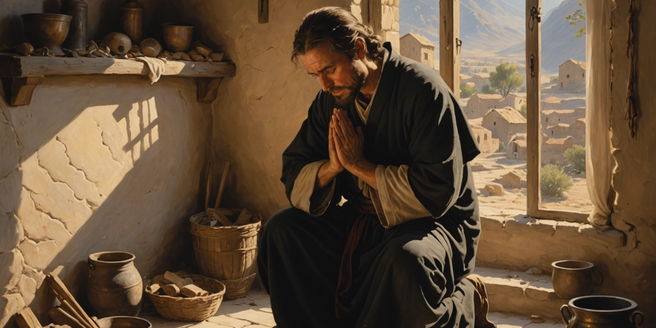
Exploring the Parable of the Sower
The Parable of the Sower is a profound story told by Jesus to illustrate the different responses people have to the word of God. At its core, the parable addresses the necessity of being receptive to spiritual truths. By likening the word of God to seeds that fall on various types of ground, it highlights how challenges and distractions can prevent robust spiritual growth. The seeds represent the teachings, and their growth is contingent on the environment, symbolizing the heart’s condition. Therefore, understanding this parable involves recognizing the importance of preparing our hearts to be good soil, ready to receive and nurture the word, leading to a fruitful life rooted in faith.
Understanding the Four Types of Soil
In the Parable of the Sower, the four types of soil represent the diverse conditions of human hearts when exposed to the word of God. The path symbolizes those who hear but lack understanding, allowing the message to be snatched away. Rocky ground illustrates shallow commitment, where joy is temporary, and faith withers under trials. Thorny soil depicts hearts crowded with worries and materialism, choking the growth of spiritual life. Finally, good soil embodies individuals who hear, understand, and act on the message, producing abundant fruit. This division underscores the importance of self-reflection, ensuring that our hearts are like the fertile ground, capable of nurturing and sustaining the message for lasting transformation.
Lessons in Faith and Growth
The Parable of the Sower offers valuable lessons in faith and growth, emphasizing the need for perseverance and spiritual nourishment. By recognizing the various obstacles that impede growth, individuals are encouraged to focus on removing distractions and deepening their roots of faith. This involves nurturing their spiritual life through prayer, study, and community, allowing for a resilient foundation. Faith is not static; it requires continual effort and adaptation to flourish. Growth comes from understanding that challenges, when faced with a mature heart, can lead to greater spiritual insights and strength. The parable thus acts as a guide, teaching us to cultivate our inner lives to achieve a fruitful faith journey.
The Sower’s Seed: A Deeper Insight
The Sower’s Seed invites us to delve deeper into the dynamics of spiritual cultivation and the inherent potential within every teaching we receive. Each seed holds the possibility of transformation, yet its success depends on the preparedness of the soil. This metaphor encourages believers to evaluate the readiness of their hearts to embrace divine teachings. The seed’s journey from potential to fruition is rivaled by the challenges presented by different soil types, urging believers to foster an environment conducive to spiritual growth. This insight propels the quest for an introspective understanding of one’s spiritual state, aiming to align it with the receptivity necessary for true enlightenment and abundant life.
Interpreting the Message for Modern Times
Interpreting the Parable of the Sower in modern context reveals timeless truths applicable to today’s spiritual journey. The distractions and pressures of contemporary life echo the rocky and thorny ground, where external preoccupations inhibit profound spiritual engagement. It challenges individuals to intentionally create space for the word amidst life’s noise. Modern interpretation involves applying the principles of receptivity and growth to contemporary challenges, such as technology, consumerism, and social influence. Understanding these elements as potential threats or aids to spiritual growth encourages a balanced approach, where technology and modern tools serve as enhancers of faith development, rather than barriers.
Applying the Parable to Daily Life
Application of the Parable of the Sower to daily life involves making intentional choices to cultivate a fertile environment for spiritual teachings. This requires a conscious effort to prioritize moments of reflection and connection with the divine amidst daily routines. The parable encourages believers to evaluate personal obstacles, such as time management or emotional barriers, that hinder spiritual development. By actively seeking ways to remove these impediments and embrace positive influences, individuals enhance their capacity to absorb and flourish from the teachings they receive. Engaging with community and practicing gratitude can further enrich one’s spiritual journey, making everyday living an expression of one’s faith.