Discovery of the Book of the Law in the Temple
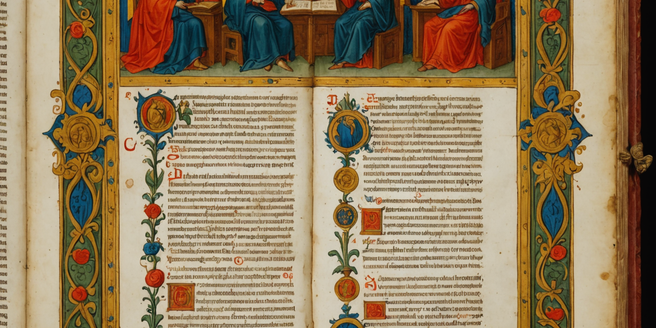
During temple renovations in 621 BCE, high priest Hilkiah discovered an ancient manuscript known as the Book of the Law. This pivotal finding transformed Josiah’s reign and deepened his commitment to religious reform. The discovery shocked the young king, revealing how far Judah had strayed from God’s commandments. The text’s contents emphasized strict adherence to Mosaic law and warned of severe consequences for disobedience. Josiah immediately recognized the document’s authenticity and authority. He consulted prophetess Huldah, who confirmed its divine origin and validated his reformist vision. This discovery became the theological foundation for sweeping changes throughout the kingdom. The Book of the Law galvanized Josiah’s determination to purify religious practices and restore proper worship. Its emergence marked a turning point in Judah’s spiritual history, legitimizing radical institutional changes.
Josiah’s Personal Transformation and Commitment to Reform
Josiah’s encounter with the Book of the Law triggered profound spiritual transformation. The young king moved from nominal faith to passionate devotion, demonstrating genuine repentance for national sins. His commitment extended beyond surface-level gestures to comprehensive personal and institutional change. Josiah actively participated in reform efforts rather than delegating responsibilities. He personally led religious ceremonies and ensured compliance throughout his kingdom. His sincerity impressed even the prophetess Huldah, who acknowledged his humble heart before God. Josiah’s transformation inspired his court and nobility to embrace reform measures. He modeled piety through consistent religious observance and eliminated personal idolatrous practices. His dedication influenced officials and priests to support radical changes. This personal conviction proved essential for sustaining momentum across multiple reform initiatives throughout his lengthy reign and maintaining religious standards.
Removal of Idolatrous Practices and Pagan Worship Sites
Josiah systematically eliminated idolatrous practices that had flourished during previous reigns. He destroyed high places, sacred groves, and Asherah poles dedicated to pagan deities. Priests serving foreign gods were deposed from temple functions. The king commissioned teams to search for and demolish unauthorized altars throughout Judah and Benjamin. Necromantic practitioners and mediums were expelled from the kingdom. Josiah personally oversaw destruction of horse statues dedicated to sun worship within temple grounds. He removed vessels used in Baal and Asherah worship from the temple treasury. Border regions received special attention to eliminate deeply entrenched pagan sites. This aggressive campaign represented unprecedented religious centralization, consolidating worship exclusively at Jerusalem’s temple. The reforms removed centuries of accumulated religious syncretism, establishing monotheistic Judaism firmly as the nation’s official religion.
Restoration and Purification of the Jerusalem Temple
The temple underwent comprehensive restoration during Josiah’s reign, combining physical repairs with spiritual purification. Priests carefully cleansed the sanctuary from ritual contamination and removed pagan objects. Construction teams repaired deteriorated structures, replaced damaged stonework, and reinforced foundational elements. Josiah financed these extensive improvements through royal treasury allocations and contributed resources. The temple’s inner sanctum underwent rigorous purification rituals performed by authorized priests. New furnishings replaced corrupted or damaged religious implements. The renovation addressed decades of neglect under previous monarchs who prioritized pagan worship. Josiah’s restoration transformed the temple into a pristine center for legitimate religious practice. The purification process included ceremonial rededication ceremonies emphasizing the sanctuary’s sacred status. These improvements physically and symbolically reflected the spiritual transformation occurring throughout Judah, establishing the temple as the authoritative religious institution.
Implementation of Passover Celebration and Religious Observances
Josiah instituted unprecedented Passover celebrations that became defining moments of his reformation. The king organized elaborate commemorations involving pilgrims from throughout his kingdom. Priests meticulously followed ancient protocols outlined in the discovered Book of the Law. Josiah personally financed sacrificial offerings and provisions for mass celebrations. The Passover observances unified the nation around shared religious identity and historical memory. Citizens participated in rituals their ancestors had practiced centuries earlier, creating spiritual continuity. The celebrations emphasized covenant renewal and recommitment to divine law. Josiah expanded required religious observances beyond Passover to include other festivals mentioned in scriptures. The king enforced mandatory participation and standardized ceremonial procedures kingdom-wide. These religious observances became visible expressions of national spiritual transformation, strengthening communal bonds.
Legacy of Josiah’s Reforms and Their Impact on Judah
Josiah’s reformation fundamentally reshaped Judahite society and religious culture for subsequent generations. His reforms established centralized temple worship as normative practice, eliminating competing religious sites. The standardization of religious observance created unified national identity centered on monotheistic Judaism. Josiah’s emphasis on scriptural authority influenced Jewish interpretive traditions for centuries. His reign demonstrated that comprehensive spiritual renewal required sustained institutional commitment and personal conviction. Though political instability followed his death, the religious foundations he established proved remarkably durable. Jewish communities continued practices he instituted, maintaining temple-centered worship patterns. His reforms influenced later Jewish movements emphasizing biblical literacy and observance. Josiah’s legacy established precedents for religious reformation and demonstrated possibilities for spiritual transformation. His reign became a model referenced during subsequent Jewish religious movements and reform efforts throughout history.