Ancient Origins in Celtic Tradition
Lammas finds its roots in the ancient Celtic festival of Lughnasadh, celebrated by Celtic peoples across Ireland, Scotland, and Wales. This sacred observance honored Lugh, the Celtic god of light, craftsmanship, and commerce. The festival marked the beginning of the harvest season and was a time of community gathering and celebration. Celtic communities recognized August 1st as a pivotal moment when summer’s abundance began transitioning toward autumn’s preparation. The festival included athletic competitions, trading fairs, and communal feasts featuring early grain harvests. These celebrations reinforced social bonds and spiritual connections to the land. Archaeological evidence suggests these traditions date back thousands of years, demonstrating humanity’s enduring relationship with seasonal cycles and agricultural rhythms. The Celtic peoples understood Lammas as both a practical harvest marker and a spiritual acknowledgment of divine provision.
The Significance of August 1st
August 1st holds profound significance in the agricultural and spiritual calendar as the traditional date marking the beginning of harvest season. This date represents a crucial turning point when the year’s first grain crops reach maturity and readiness for gathering. In ancient times, communities depended entirely on successful harvests for survival, making August 1st a date of immense importance and anticipation. The selection of this specific date reflects careful astronomical and agricultural observation by ancient peoples who understood seasonal patterns intimately. Beyond practical considerations, August 1st became spiritually significant, representing gratitude for summer’s bounty and hope for continued provision. The date also symbolized transition, marking the shift from summer’s peak energy toward autumn’s preparation and reflection. This threshold quality made August 1st ideal for ritual observances and community celebrations honoring both earthly provisions and divine blessings.
Lammas vs. Lughnasadh: Understanding the Differences
While often used interchangeably, Lammas and Lughnasadh represent distinct yet interconnected traditions. Lughnasadh, the older Celtic festival, specifically honored the god Lugh and contained ritualistic and spiritual elements rooted in pagan cosmology. Lammas, derived from Old English loaf mass, emphasizes the Christian reinterpretation of harvest celebrations, focusing on bread offerings and Christian thanksgiving. The terminology itself reveals this evolution: Lughnasadh means gathering and Lammas means loaf mass day. Lughnasadh traditionally centered on athletic games, communal feasts, and spiritual ceremonies, while Lammas incorporated Christian liturgical elements and bread-centered rituals. Despite these differences, both festivals celebrate harvest abundance and community gathering on August 1st. Modern practitioners often blend these traditions, honoring both Celtic and Christian heritage. Understanding these distinctions enriches appreciation for how cultures adapt and transform seasonal celebrations across generations.
Early Christian Adoption and Transformation
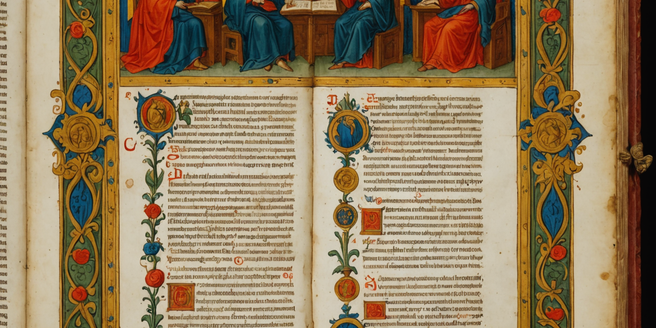
When Christianity spread throughout Celtic lands, the Church strategically incorporated existing pagan festivals into Christian practice rather than eliminating them entirely. Lammas emerged as the Christian adaptation of Lughnasadh, transforming pagan harvest celebrations into Christian thanksgiving observances. The Church renamed the festival Lammas, deriving from Old English hlaf-mas, meaning loaf mass day. This reframing allowed Christian communities to maintain cultural continuity while establishing Christian theology and practice. Loaves of bread baked from newly harvested grain became sacred offerings in Christian liturgy, symbolizing Christ’s body and expressing gratitude for divine provision. The transformation was gradual and regional, with some areas maintaining stronger pagan elements longer than others. This syncretism demonstrates how Christianity adapted to local traditions rather than imposing wholesale replacement. The result was a festival retaining harvest celebration elements while incorporating Christian spiritual meaning, creating a hybrid tradition that satisfied both spiritual and cultural needs.
Medieval Lammas Celebrations Across Europe
During the medieval period, Lammas celebrations flourished throughout Europe with remarkable diversity reflecting local customs and agricultural practices. In England, Lammas became a significant Christian festival featuring bread offerings in churches and community feasts celebrating successful harvests. Medieval villages organized fairs and markets on Lammas, creating economic and social gathering opportunities. Scotland and Ireland maintained stronger connections to Lughnasadh traditions while incorporating Christian elements, hosting games, races, and communal meals. France and Germany developed their own harvest celebration variations, each reflecting regional crops and cultural values. Medieval monasteries played crucial roles in standardizing Lammas observances through liturgical practices and documentation. Church records indicate Lammas was recognized as a major feast day requiring special religious services and community participation. The festival provided opportunities for social hierarchy display, with nobles and clergy presiding over celebrations. These medieval traditions established patterns that persisted for centuries, demonstrating Lammas’s central importance in European Christian culture and agricultural society.
Agricultural Importance and First Grain Harvests
Lammas’s fundamental significance derives from its relationship with grain harvesting, the year’s most critical agricultural activity. August 1st marked when early grain varieties, particularly barley and oats, reached maturity and harvest readiness in temperate climates. Successful grain harvesting determined community survival, as stored grains sustained populations through winter months. The first grain harvest held special spiritual and practical meaning, representing the year’s first significant food gathering. Lammas celebrations acknowledged this crucial transition from growing season to harvest season, marking the point where nature’s provision became tangible and harvestable. The festival also provided opportunities to assess crop health and predict overall harvest success. Communities conducted rituals expressing gratitude for crops’ survival and requesting blessing for continued harvests. The agricultural emphasis explains why Lammas persisted through centuries of cultural change, remaining relevant as long as societies depended on grain harvests. Modern Lammas celebrations maintain this agricultural connection despite urbanization.
Traditional Bread Baking and Loaf Offerings
Bread occupies central significance in Lammas traditions, representing gratitude for successful grain harvests and spiritual thanksgiving. The Christian name Lammas derives from Old English hlaf-mas, literally loaf mass day, emphasizing bread’s ritual importance. Traditionally, communities baked loaves from newly harvested grain flour, creating tangible connection between field and table. These fresh loaves often became ritual offerings presented in churches during Lammas services, symbolizing community gratitude and spiritual devotion. The bread-baking process itself became ceremonial, with specific recipes and methods passed through generations. Some traditions required baking two loaves, representing the dual wheat and barley harvests or spiritual and physical provision. Families gathered to bake community loaves, strengthening social bonds while preparing ritual offerings. The bread also served practical purposes, providing nutritious food for celebration feasts. This bread-centered tradition reflects deep cultural understanding of bread’s life-sustaining importance and spiritual significance across Christian and pagan traditions.
Lammas in Colonial America and Beyond
Colonial Americans brought Lammas traditions from Europe but adapted them to new agricultural contexts and indigenous influences. Early American settlers maintained bread offerings and harvest celebrations, though adjusting timing and crops to colonial growing conditions. Lammas traditions merged with indigenous harvest practices, creating hybrid celebrations reflecting both European and Native American agricultural knowledge. As American society became increasingly industrialized and urbanized, Lammas celebrations declined in mainstream culture but persisted in rural and religious communities. The festival maintained stronger presence in regions with continuous European settlement patterns and agricultural economies. Religious communities, particularly Anglican and Catholic traditions, preserved formal Lammas observances in liturgical calendars. Rural agricultural communities continued informal Lammas celebrations marking harvest beginning, even as urbanization reduced farming populations. By twentieth century, Lammas had largely disappeared from mainstream American consciousness, though recent decades witnessed renewed interest from historical societies and religious communities. Contemporary Americans rediscover Lammas as part of broader interest in historical traditions and seasonal living practices.
Modern Revival of Harvest Festival Traditions
Contemporary society witnesses growing interest in Lammas and harvest festival traditions as people seek meaningful seasonal connections and cultural roots. This revival emerges from multiple motivations: environmental consciousness, desire for spiritual practices aligned with natural cycles, and interest in historical traditions. Modern practitioners celebrate Lammas through bread baking, community gatherings, and ritual observances honoring agricultural cycles. Neo-pagan communities actively maintain and develop Lammas traditions, often blending Celtic Lughnasadh and Christian Lammas elements. Farmers markets and local food movements connect modern communities to harvest seasons previously distant from urban experience. Educational institutions teach Lammas history and significance, introducing younger generations to seasonal traditions. Social media and online communities facilitate Lammas celebration sharing across geographic distances. Environmental movements recognize Lammas’s potential for cultivating gratitude toward land and sustainable agriculture. This modern revival demonstrates enduring human need for seasonal markers, community celebration, and meaningful connection to food sources and agricultural cycles fundamental to human existence.